Izmir Travel Guide

Türkiye

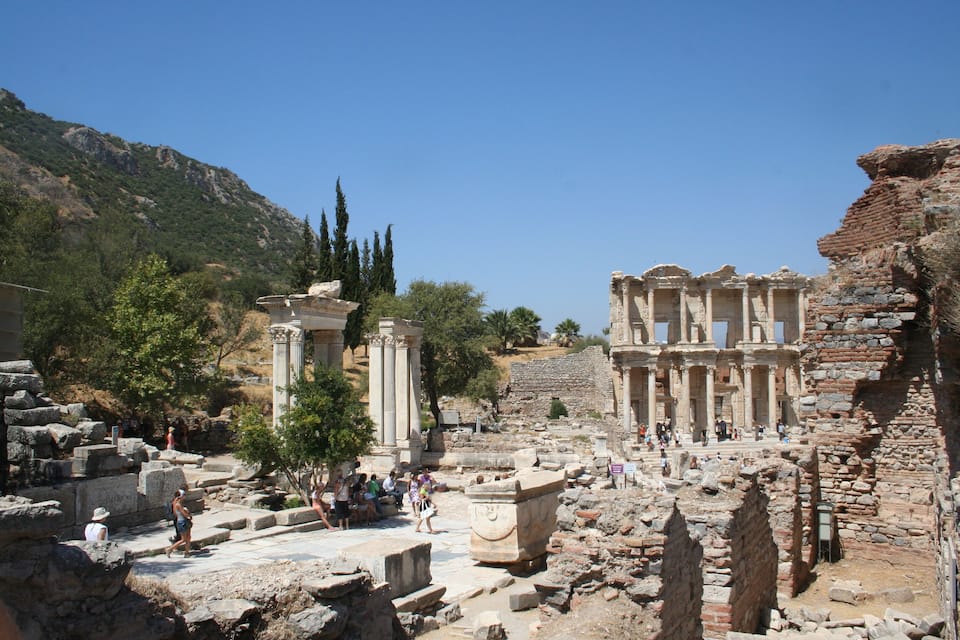
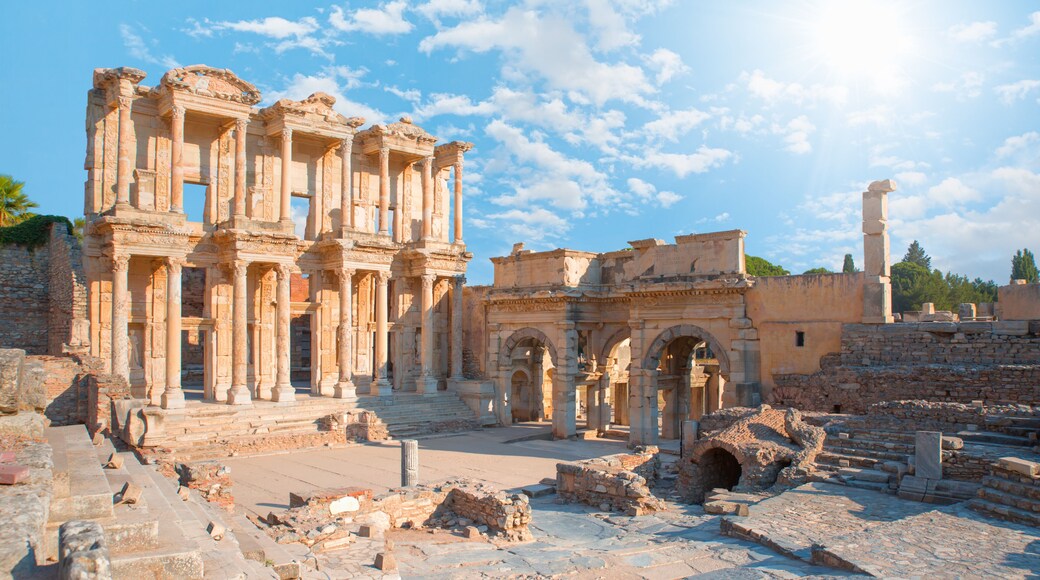
This library is one of the most beautiful structures in Ephesus. It was built in 117 A.D. It was a monumental tomb for Gaius Julius Celsus Polemaeanus, the governor of the province of Asia; from his son Galius Julius Aquila. The grave of Celsus was beneath the ground floor, across the entrance and there was a statue of Athena over it. Because Athena was the goddess of the wisdom.

The scrolls of the manuscripts were kept in cupboards in niches on the walls. There were double walls behind the bookcases to prevent the them from the extremes of temperature and humidity. The capacity of the library was more than 12,000 scrolls. It was the third richest library in ancient times after the Alexandra and Pergamum.

The facade of the library has two-stories, with Corinthian style columns on the ground floor and three entrances to the building. There are three windows openings in the upper story. They used an optical trick that the columns at the sides of the facade are shorter than those at the center, giving the illusion of the building being greater in size.

The statues in the niches of the columns today are the copies of the originals. The statues symbolize wisdom (Sophia), knowledge (Episteme), intelligence (Ennoia) and valor (Arete). These are the virtues of Celsus. The library was restored with the aid of the Austrian Archaeological Institute and  the originals of the statues were taken to Ephesus Museum in Vienna in 1910.

There was an auditorium ,which was for lectures or presentations between the library and the Marble Road, was built during the reign of the Emperor Hadrian.
#History Photo Contest
#ancient
#InStone
#Lifeatexpedia
#UNESCO World Heritage sites
#culture
This library is one of the most beautiful structures in Ephesus. It was built in 117 A.D. It was a monumental tomb for Gaius Julius Celsus Polemaeanus, the governor of the province of Asia; from his son Galius Julius Aquila. The grave of Celsus was beneath the ground floor, across the entrance and there was a statue of Athena over it. Because Athena was the goddess of the wisdom.

The scrolls of the manuscripts were kept in cupboards in niches on the walls. There were double walls behind the bookcases to prevent the them from the extremes of temperature and humidity. The capacity of the library was more than 12,000 scrolls. It was the third richest library in ancient times after the Alexandra and Pergamum.

The facade of the library has two-stories, with Corinthian style columns on the ground floor and three entrances to the building. There are three windows openings in the upper story. They used an optical trick that the columns at the sides of the facade are shorter than those at the center, giving the illusion of the building being greater in size.

The statues in the niches of the columns today are the copies of the originals. The statues symbolize wisdom (Sophia), knowledge (Episteme), intelligence (Ennoia) and valor (Arete). These are the virtues of Celsus. The library was restored with the aid of the Austrian Archaeological Institute and  the originals of the statues were taken to Ephesus Museum in Vienna in 1910.

There was an auditorium ,which was for lectures or presentations between the library and the Marble Road, was built during the reign of the Emperor Hadrian.
#History Photo Contest
#ancient
#InStone
#Lifeatexpedia
#UNESCO World Heritage sites
#culture
This is the most magnificent structure in Ephesus ancient city. The Great Theatre is located on the slope of Panayir Hill, opposite the Harbor Street, and easily seen when entering from the south entrance to Ephesus. It was first constructed in the Hellenistic Period, in the third century BC during the reign of Lysimachos, but then during the Roman Period, it was enlarged and formed its current style that is seen today.

It is the largest in Anatolia and has the capacity of 25,000 seats. The cavea has sixty six rows of seats, divided by two diazoma (walkway between seats) into three horizontal sections. There are three sections of seats. In the lower section, Marble pieces, used for restoration, and the Emperor's Box were found. The seats with backs ,made of marble, were reserved for important people. The audience entered from the upper cavea.

The stage building is three-storied and 18 meters high. The facade facing the audience was ornamented with relieves, columns with niches, windows and statues. There are five doors opening to the orchestra area, the middle one of which is wider than the rest. This enhanced the appearance of the stage, giving it a bigger, monumental look.

The theatre was used not only for concerts and plays, but also for religious, political and philosophical discussions and for gladiator and animal fights.

Best time to visit this magnificient archeological site is between march and may. Summer months are always with temperatures above 45°C.
#History Photo Contest
#Ancient
#InStone
#Turkey
#Lifeatexpedia
This was the capital of the Pergamon kingdom around 250 BC. Anthony took thousands of scrolls from this city and gave them to Cleopatra. It's a great ruin, in the small city of Bergama in Turkey. You cn get a cable car up to the ruins.
The library in the Ephesus ruins. If you get there early, and go to the other entrance, you can get the whole place to yourself for about 15 or so minutes which is very cool. Otherwise be prepared for thousands of other people swarming the place.

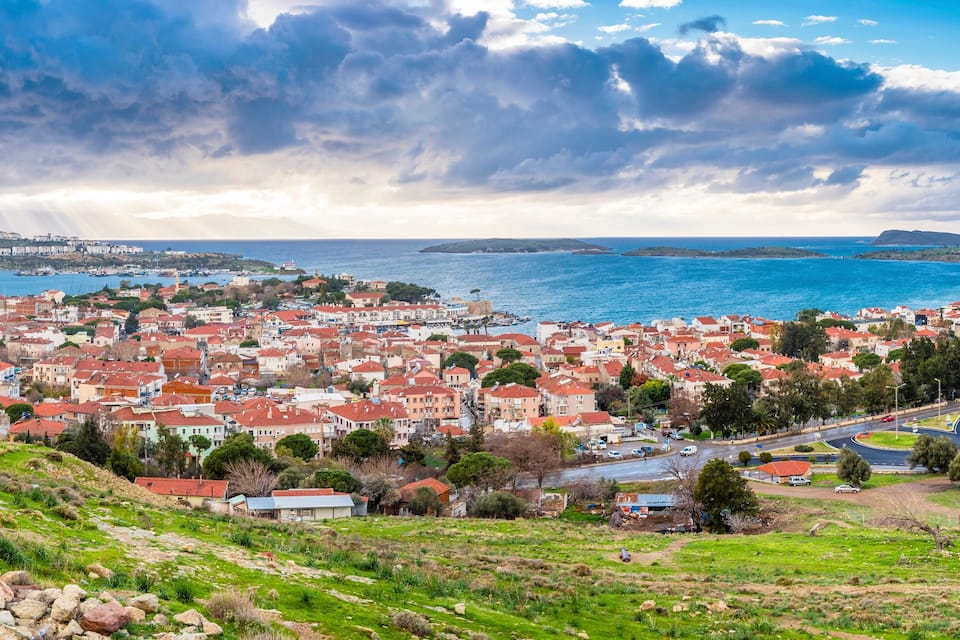
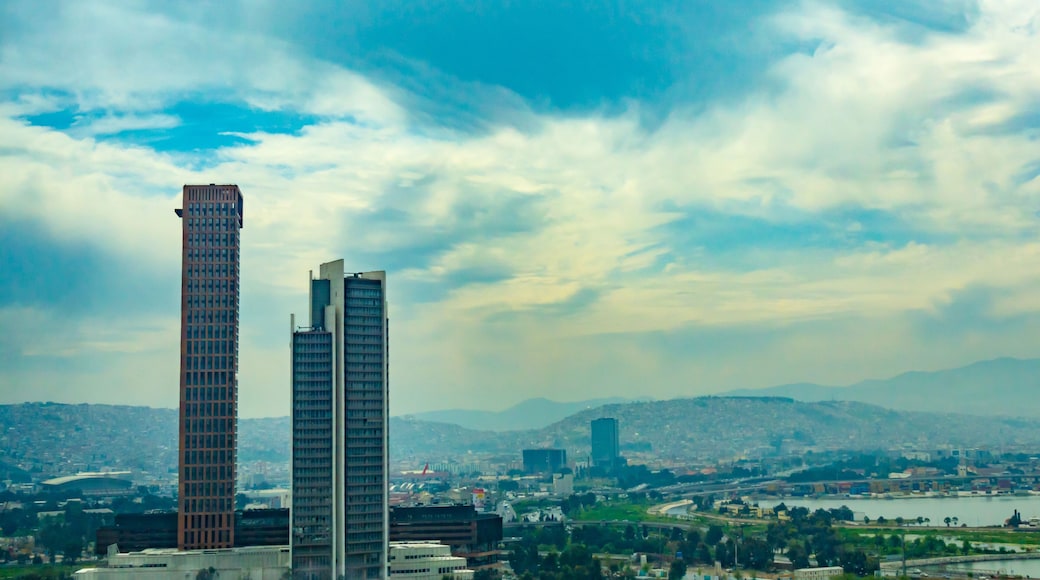
Find cultural experiences and historical treasures in one of Turkey’s largest cities, an under-appreciated gem along the blue Aegean Sea.

The port city of Izmir has been important to ocean trade for thousands of years. Known as Smyrna under Greek rule, the city has retained bits of its varied heritage. Walk through Izmir and watch for signage and listen for sounds of Jews, Levantines, Greeks, Armenians and modern Turks communicating in this multicultural town. Ethnic restaurants feature unique flavorful cuisines.

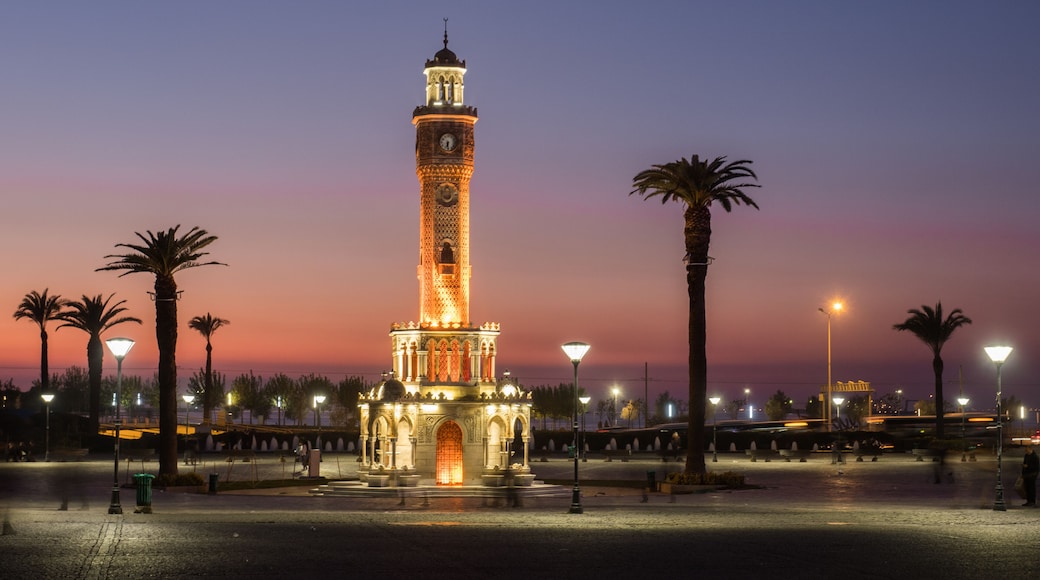
One of Izmir’s highlights is the Kemeralti Market, a 17th-century maze of restaurants, coffee shops, stores, artist workshops, mosques and synagogues. Take a culinary tour of favorite eating spots along its twisting streets or discover quiet courtyards and ancient caravan inns. Saat Kulesi clock tower is a handy nearby landmark.

Walk around the more modern, open Kültürpark area, a large green space with several museums and the kids’ attraction, Lunapark. The Museum of History and Art contains artifacts from city excavations while the Museum of Arts and Sculpture has varied works from Turkish and other artists. Ahmet Piriştina Kent Arşivi ve Müzesi nearby covers history of the city since 3000 B.C. South of central Izmir is the Smyrna Agora Antik Kenti, an open-air space with tall columns rising over an active archaeological excavation site. Find other museums focused on railroads, cars and toys.

Stroll along the Kodronboyu, a grassy promenade stretching 1 mile (1.6 kilometers) along the Aegean Sea. Near the north end is Alsancak, a lively spot for dining and nightlife.

About a 30-minute drive northwest, visit the Izmir Wildlife Park, a large zoo with elephants, lemurs and lorikeets. Travel southwest of the city center to the Izmir Teleferik. Ride on this cable car to look over a green forest, the stone buildings of the sprawling city and the Aegean Sea. Walk around the park and stalls at the cable car’s top station.

Izmir’s international airport is about a 25-minute drive south of the city center. Plan a side trip to the ancient Greek and Roman settlement of Ephesus, about a 45-minute drive south of the airport.

Popular cities in Izmir

Izmir
Izmir
Known for Sea, Shopping and Cafes
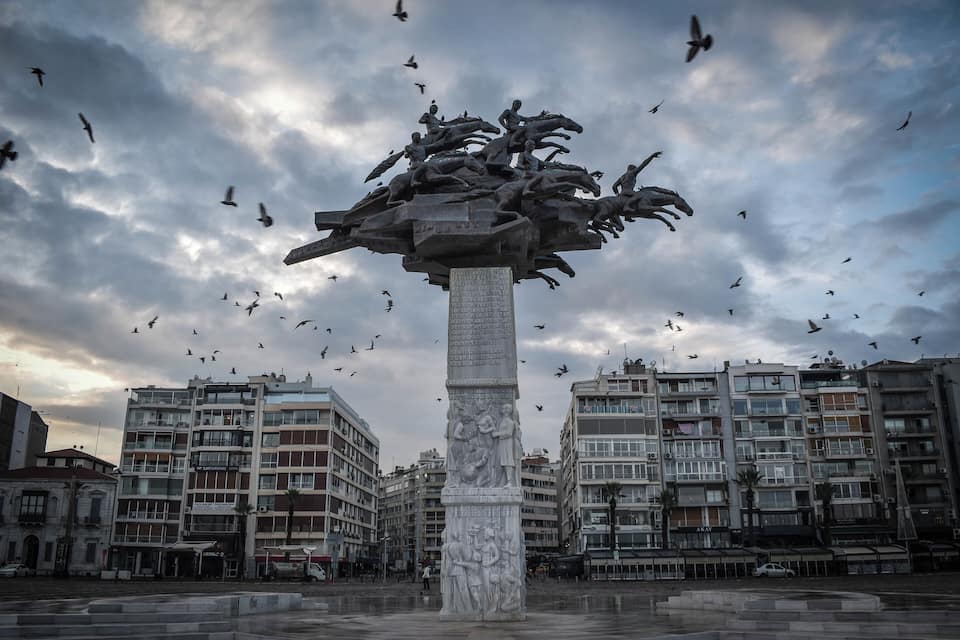
Come to Izmir and enjoy its cafes, monuments and theatre.

Reasons to visit

  • Konak Square
  • Kemeralti Market
  • Konak Pier Shopping Mall
Selçuk
Selçuk
Known for Historical, Small town and Museums
Trip time! Discover the history, cafes and monuments in quaint Selçuk.

Reasons to visit

  • Ephesus Ruins
  • House of the Virgin Mary
  • Temple of Artemis
Foça
Foça
Known for Marinas, Tours and Historical
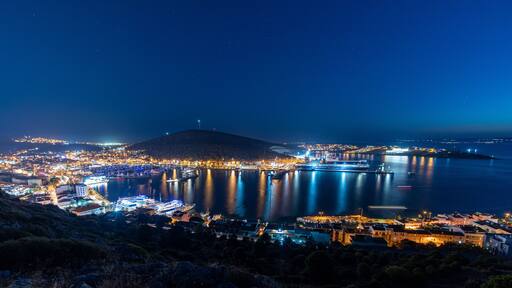
Foça awaits: its marina, history, beaches and more!

Reasons to visit

  • Eski Foca Harbor
Çeşme
Çeşme
Known for Beaches, Sea and Marinas
This lively little resort town features a Genoese castle, an attractive seafront promenade, lots of reasonably priced dining options and nearby beaches.
Urla
Urla
Known for Universities and Historical
Urla awaits: its university life, history and more!
Seferihisar
Seferihisar
Known for Dining, Entertainment and Marinas
Escape to Seferihisar! Enjoy its marina, entertainment and beaches.