กิจกรรมในชวาตอนกลาง

กิจกรรม ที่ท่องเที่ยว และทัวร์

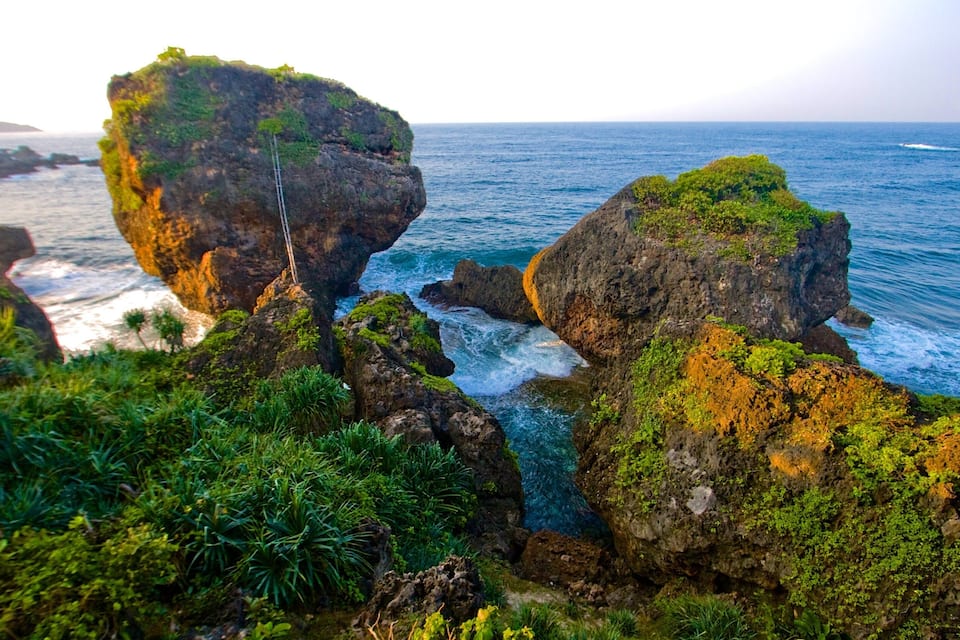
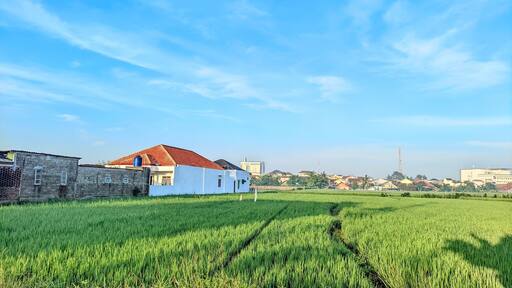
ชวาตอนกลาง เนื้อเรื่องที่ หาดทราย, การพายเรือ และ ทิวทัศน์เขตร้อน
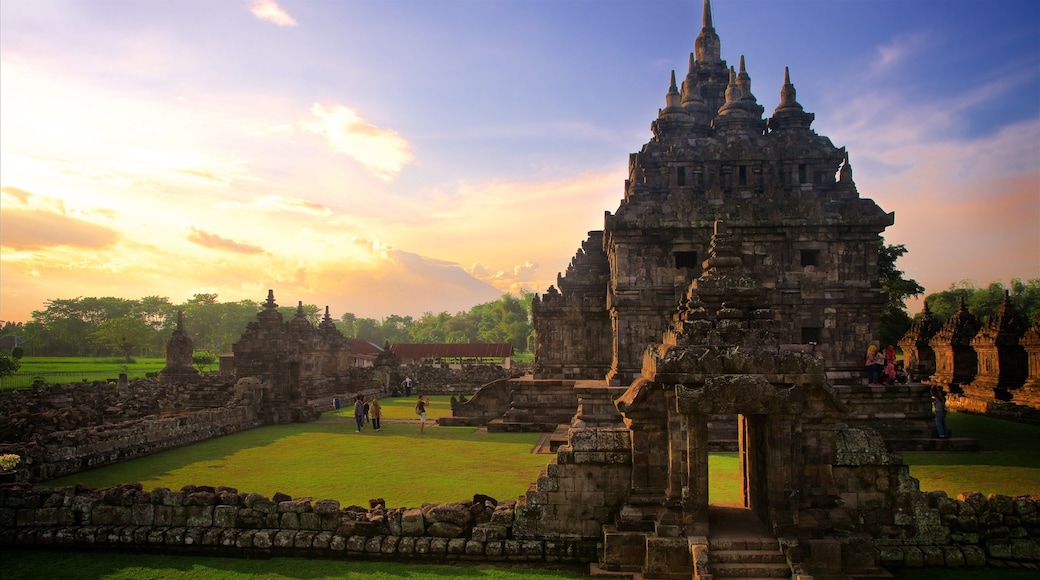
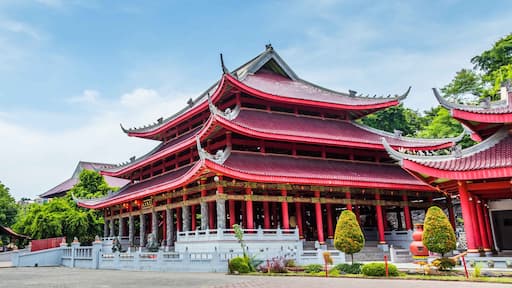
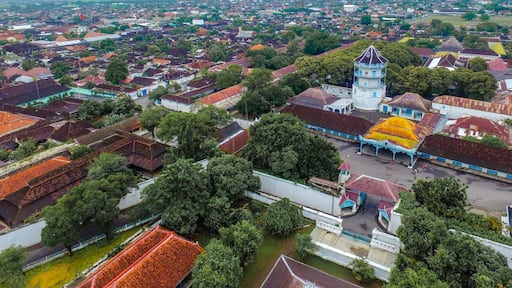
วัดพรัมบานัน เนื้อเรื่องที่ ซากปรักหักพัง และ มรดกทางสถาปัตยกรรม
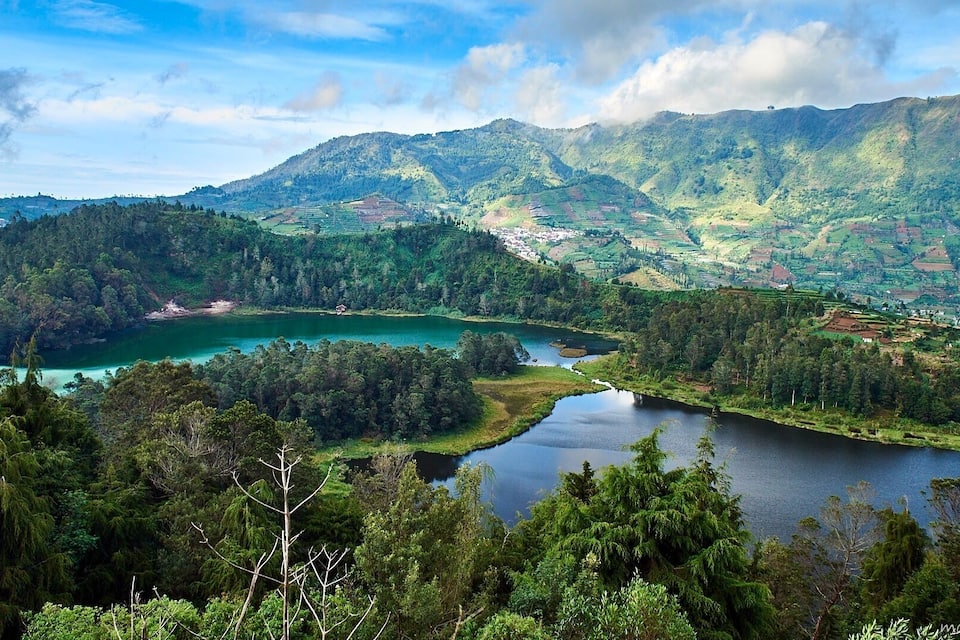
ชวาตอนกลาง เนื้อเรื��่องที่ วิวทิวทัศน์ และ หาดทราย
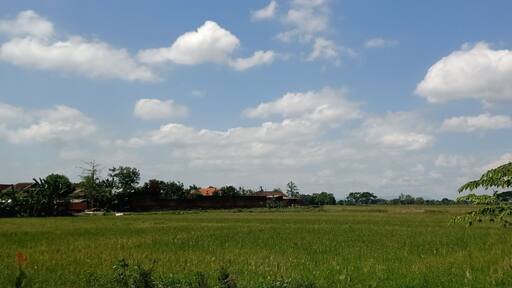
ชวาตอนกลาง ซึ่งรวมถึง ชายฝั่งทะเล ตลอดจน ผู้หญิง

  • find price illustration

    ดูกิจกรรม

    สำรวจประสบการณ์นับพัน ตั้งแต่กิจกรรม สถานที่ท่องเที่ยว ไปจนถึงทัวร์รายวันและบริการรับส่ง
  • calendar shield illustration

    จองได้อย่างง่ายดาย

    ไม่ต้องต่อคิว จองตั๋วออนไลน์ภายในไม่กี่นาทีเพื่อเข้าชมสถานที่ท่องเที่ยวยอดนิยมพร้อมยกเลิกหลายกิจกรรมได้ฟรี
  • trophy illustration

    ให้รางวัลตัวเอง

    สมาชิกประหยัดอย่างน้อย % เมื่อคุณจองกิจกรรม


สถานที่ยอดนิยม

พื้นที่ของ ชวาตอนกลาง

At the museum no photos are allowed which is really unfortunate as it was well worth the visit and the guided tour is definitely not to be missed. In the museum there are even Batik made from the Dutch era which depicts stories like Little Red Riding Hood and Snow White!

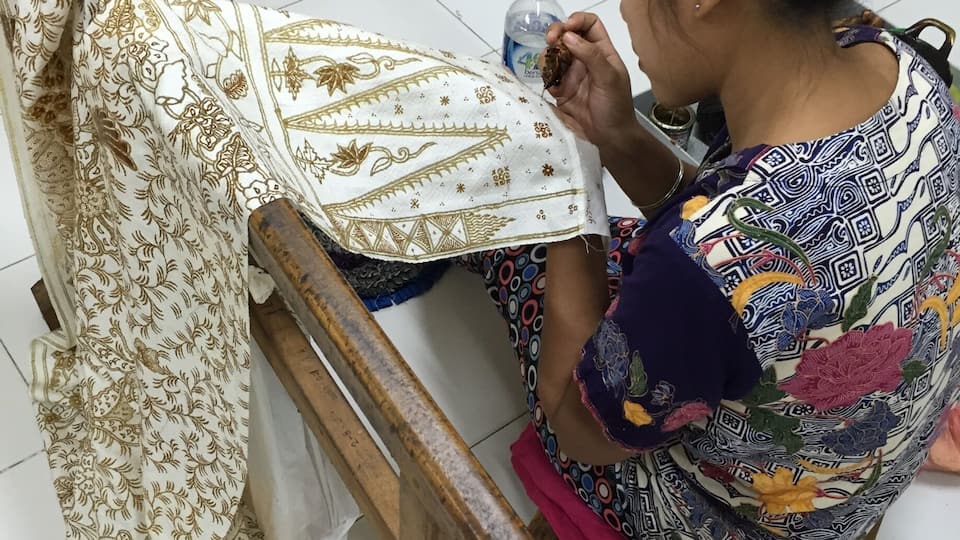
I enjoyed the tour v much and at the end of the tour we were brought to this room where the artisan were working on hand drawn batik.

Below is an excerpt from Wikipedia for anyone interested in learning more about the process of batik making.

Firstly, a cloth is washed, soaked and beaten with a large mallet. Patterns are drawn with pencil and later redrawn using hot wax, usually made from a mixture of paraffin or bees wax, sometimes mixed with plant resins, which functions as a dye-resist. The wax can be applied with a variety of tools. A pen-like instrument called a canting (IPA: [tʃantiŋ], sometimes spelled with old Dutch orthography tjanting) is the most common. A canting is made from a small copper reservoir with a spout on a wooden handle. The reservoir holds the resist which flows through the spout, creating dots and lines as it moves. For larger patterns, a stiff brush may be used. Alternatively, a copper block stamp called a cap (IPA: [tʃap]; old spelling tjap) is used to cover large areas more efficiently.

After the cloth is dry, the resist is removed by scraping or boiling the cloth. The areas treated with resist keep their original color; when the resist is removed the contrast between the dyed and undyed areas forms the pattern. This process is repeated as many times as the number of colors desired.

The most traditional type of batik, called batik tulis

ใจกลางเมืองโซโล

ใจกลางเมืองโซโล คือจุดหมายปลายทางในฝันของใครหลายคน คุณจะได้เพลิดเพลินกับไฮไลท์อย่างพิพิธภัณฑ์ สวนสัตว์ แล้วก็เยือนแหล่งท่องเที่ยวน่าสนใจ เช่น Solo Paragon Lifestyle Mall และ สวนเกปราบอน
ใจกลางเมืองโซโล
Default Image

เซมารังตะวันตก

เซมารังตะวันตก และย่านใกล้เคียงมีที่เที่ยวให้เพลิดเพลิน เช่น Lawang Sewu และ ดีพี มอลล์ เสมารัง

เซมารังตะวันตก
At the museum no photos are allowed which is really unfortunate as it was well worth the visit and the guided tour is definitely not to be missed. In the museum there are even Batik made from the Dutch era which depicts stories like Little Red Riding Hood and Snow White!

I enjoyed the tour v much and at the end of the tour we were brought to this room where the artisan were working on hand drawn batik.

Below is an excerpt from Wikipedia for anyone interested in learning more about the process of batik making.

Firstly, a cloth is washed, soaked and beaten with a large mallet. Patterns are drawn with pencil and later redrawn using hot wax, usually made from a mixture of paraffin or bees wax, sometimes mixed with plant resins, which functions as a dye-resist. The wax can be applied with a variety of tools. A pen-like instrument called a canting (IPA: [tʃantiŋ], sometimes spelled with old Dutch orthography tjanting) is the most common. A canting is made from a small copper reservoir with a spout on a wooden handle. The reservoir holds the resist which flows through the spout, creating dots and lines as it moves. For larger patterns, a stiff brush may be used. Alternatively, a copper block stamp called a cap (IPA: [tʃap]; old spelling tjap) is used to cover large areas more efficiently.

After the cloth is dry, the resist is removed by scraping or boiling the cloth. The areas treated with resist keep their original color; when the resist is removed the contrast between the dyed and undyed areas forms the pattern. This process is repeated as many times as the number of colors desired.

The most traditional type of batik, called batik tulis

บันจาร์ซารี

ทริป บันจาร์ซารี จะเต็มอิ่มด้วยความประทับใจ ถ้าได้ไป Solo Paragon Lifestyle Mall และ สวนสาธารณะประจำเมืองบาเลกัมบัง

บันจาร์ซารี
Default Image

กันดิสารี

กันดิสารี มีแหล่งท่องเที่ยวยอดนิยมพอประมาณ แต่ถ้าสำรวจในบริเวณกว้าง ก็สามารถเดินทางไปชม สวนสาธารณะ Simpang Lima และ จีปุตรา ซิตี้ มอลล์ เซอมารัง

กันดิสารี
Default Image

เมืองเก่าเซมารัง

เมืองเก่าเซมารัง มีแหล่งช้อปปิ้งเป็นไฮไลท์ อีกทั้งมีที่เที่ยวยอดนิยมอย่าง โกตาลามา เสมารัง และ แกลเลอรีศิลปะร่วมสมัยเซมารัง
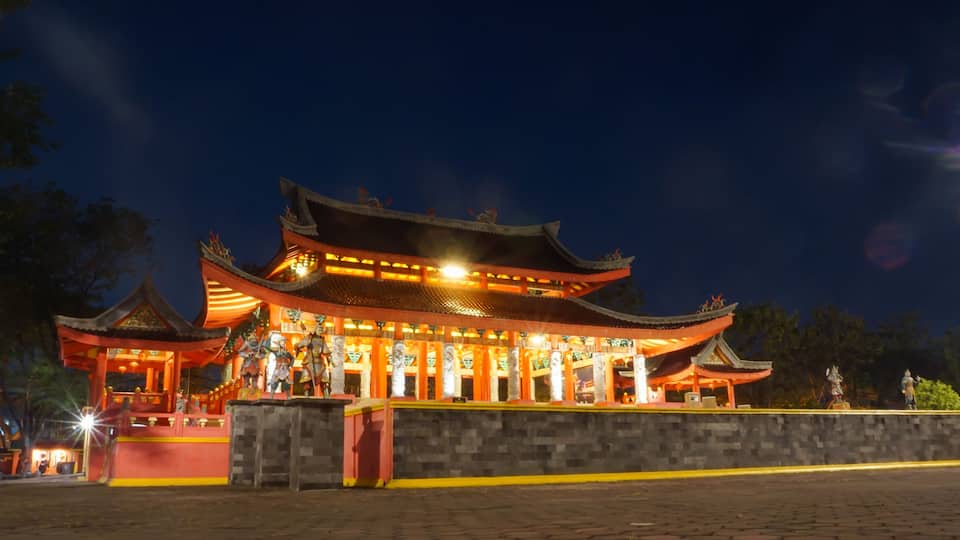
เมืองเก่าเซมารัง
Default Image

บันยูมานิก

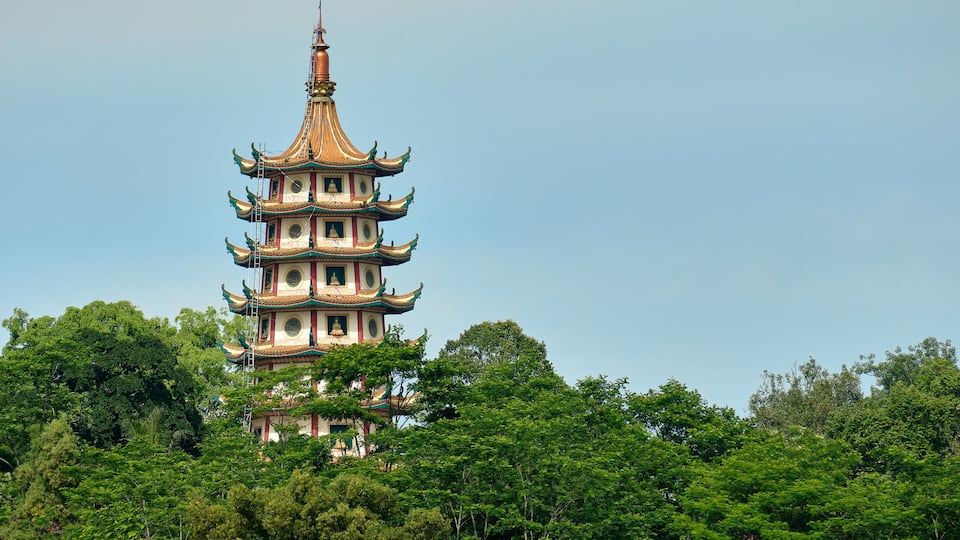
ทริป บันยูมานิก จะเต็มอิ่มด้วยความประทับใจ ถ้าได้ไป ศูนย์การค้า Transmart Setiabudi Semarang และ เจดีย์ Avalokitesvara

บันยูมานิก

เมืองใกล้กับ ชวาตอนกลาง