


โรงแรมและที่พักในจิตราทุรคา
 เปลี่ยนใจได้เสมอจองโรงแรมที่ยกเลิกได้ฟรี
 เลือกได้มากค้นหาจากที่พักเกือบล้านแห่งทั่วโลก
สำรวจตัวเลือกใหม่ไม่ธรรมดาใน จิตราทุรคา
ดูราคาในวันที่เหล่านี้
คืนนี้
23 ก.ย. - 24 ก.ย.พรุ่งนี้
24 ก.ย. - 25 ก.ย.สุดสัปดาห์นี้
25 ก.ย. - 27 ก.ย.สุดสัปดาห์หน้า
2 ต.ค. - 4 ต.ค.ตัวเลือกโรงแรมยอดนิยมของเราใน จิตราทุรคา




โดย 1 Mourya Deluxe AC Lodge
Mourya Deluxe AC LodgeChitradurga
฿406
ราคารวม ฿426
รวมภาษีและค่าธรรมเนียม
5 ต.ค. - 6 ต.ค.
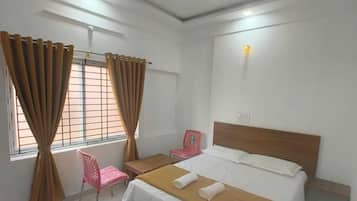
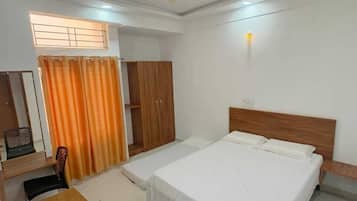


โดย 2 เอสพีอาร์ คอมฟอร์ตส์
เอสพีอาร์ คอมฟอร์ตส์Chitradurga
฿468
ราคารวม ฿492
รวมภาษีและค่าธรรมเนียม
23 ก.ย. - 24 ก.ย.
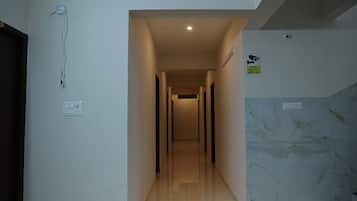



โดย 3 วิชวาส คอมฟอร์ตส์
วิชวาส คอมฟอร์ตส์Chitradurga
฿406
ราคารวม ฿426
รวมภาษีและค่าธรรมเนียม
23 ก.ย. - 24 ก.ย.

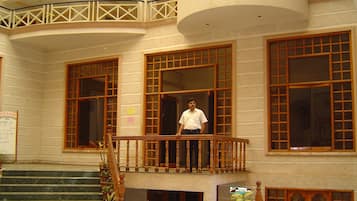
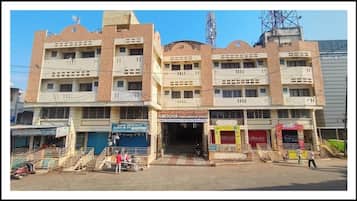

โดย 4 Amogha International Hotel
Amogha International HotelChitradurga
฿627
ราคารวม ฿658
รวมภาษีและค่าธรรมเนียม
23 ก.ย. - 24 ก.ย.




โดย 5 ศรีคันธา เรสซิเดนซี
ศรีคันธา เรสซิเดนซีDavanagere
฿905
ราคารวม ฿950
รวมภาษีและค่าธรรมเนียม
23 ก.ย. - 24 ก.ย.


โดย 6 Sai International Hotel
Sai International HotelDavanagere
฿1,284
ราคารวม ฿1,348
รวมภาษีและค่าธรรมเนียม
23 ก.ย. - 24 ก.ย.



โดย 7 Ashok Inn
Ashok InnDavanagere
฿1,276
ราคารวม ฿1,340
รวมภาษีและค่าธรรมเนียม
24 ก.ย. - 25 ก.ย.



โดย 8 Mango Hotels Naveen
Mango Hotels NaveenDavanagere

SUNIL
฿1,177
ราคารวม ฿1,236
รวมภาษีและค่าธรรมเนียม
23 ก.ย. - 24 ก.ย.

เมื่อเข้าสู่ระบบจะได้รับส่วนลดโดยเฉลี่ยเพิ่มอีก 15% จากหลายพันโรงแรมที่ร่วมรายการ
ที่พักใกล้สถานที่ท่องเที่ยวยอดนิยมใน จิตราทุรคา
ป้อมปราการชิคมากาลูร์
8.0/10 (1 รีวิว)
เรียนรู้ประวัติศาสตร์ท้องถิ่นของ จิตราทุรคา ด้วยการจัดทริปไป ป้อมปราการชิคมากาลูร์ อย่าลืมหาเวลาแวะไปวัดวาอารามและอนุสาวรีย์เมื่อมาที่นี่
จามิอา มัสยิด
ไปเที่ยว จามิอา มัสยิด เมื่อไหร่ อย่าลืมไปที่เที่ยวอื่นๆ และลองกิจกรรมน่าสนใจใน จิตราทุรคา ด้วย อย่าลืมหาเวลาแวะไปวัดวาอารามและอนุสาวรีย์เมื่อมาที่นี่
แหล่งโบราณคดี Chandravalli
8.0/10 (1 รีวิว)
คุณก็เรียนรู้ประวัติความเป็นมาของ จิตราทุรคา ได้ เพียงเดินทางไป แหล่งโบราณคดี Chandravalli เดินเล่นชมสวนสวย หรือลองไปวัดวาอารามในย่านนี้ดู
โกปาลาสวามี ฮอนดา
ใกล้ชิดธรรมชาติและเพลิดเพลินกับกิจกรรมกลางแจ้งที่ โกปาลาสวามี ฮอนดา เมื่อมีทริปไป จิตราทุรคา อย่าลืมหาเวลาแวะไปวัดวาอารามและอนุสาวรีย์เมื่อมาที่นี่
อักกา ฮอนดา
ใกล้ชิดธรรมชาติและเพลิดเพลินกับกิจกรรมกลางแจ้งที่ อักกา ฮอนดา เมื่อมีทริปไป จิตราทุรคา เดินเล่นชมสวนสวย หรือลองไปวัดวาอารามในย่านนี้ดู
อ่านเพิ่มเติมเกี่ยวกับ จิตราทุรคา
จิตราทุรคา รอคุณมาค้นหาอยู่ ที่นี่มีหลายสิ่งให้ดูและกิจกรรมสนุกๆ ให้ทำ ห้ามพลาดเที่ยวชมวัดวาอาราม สวนสวย อนุสาวรีย์ และอีกมากมาย!
ดูโรงแรมทั้งหมดใน จิตราทุรคา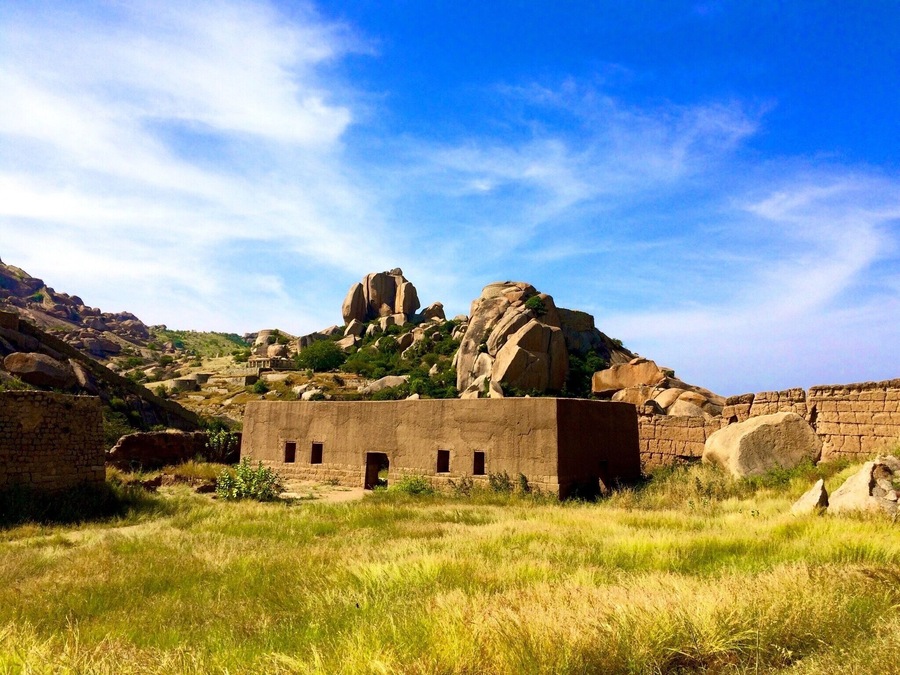
ภาพโดย Tanya Raman