


This suburb of Naples is unique in that it is full of hospitals and clinics, which gave the area its name.
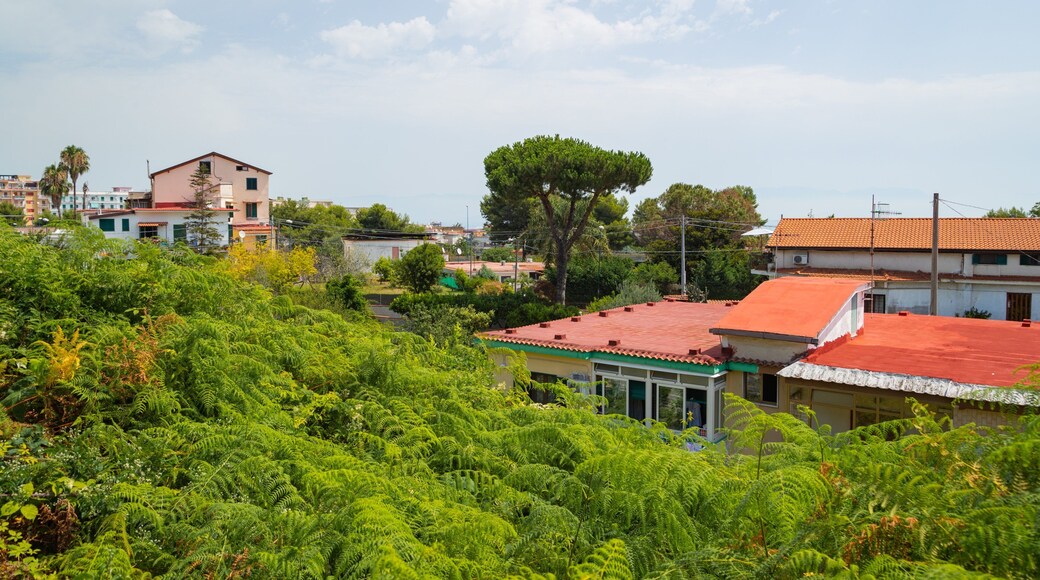
In a highly developed hilly area of Naples is the Zona Ospedaliera. The "hospital zone” is, like its name suggests, home to the city’s major hospitals and many smaller hospitals, pharmaceutical faculties of universities and clinics. While not a touristy area, the contrast in architecture of the major hospitals is interesting to see if you find yourself in the area.
The Zona Ospedaliera was designed to be on the city’s edge, with easy access for ambulances and visitor cars. After major hospitals were built here since the 1920s, private residences, offices and apartment blocks soon connected this expansion to the inner city.
You’ll find two of the city’s main hospitals in the Zona Ospedaliera: the Monaldi on Camaldoli hill and the Antonio Cardarelli Hospital.
The Monaldi is a former sanatorium built in the 1930s for tuberculosis patients. This building could be called industrial in appearance were it not for its Art Deco-style main entrance. Visit its on-site chapel to see a portrait of St. Giuseppe Moscati, “Doctor to the Poor.”
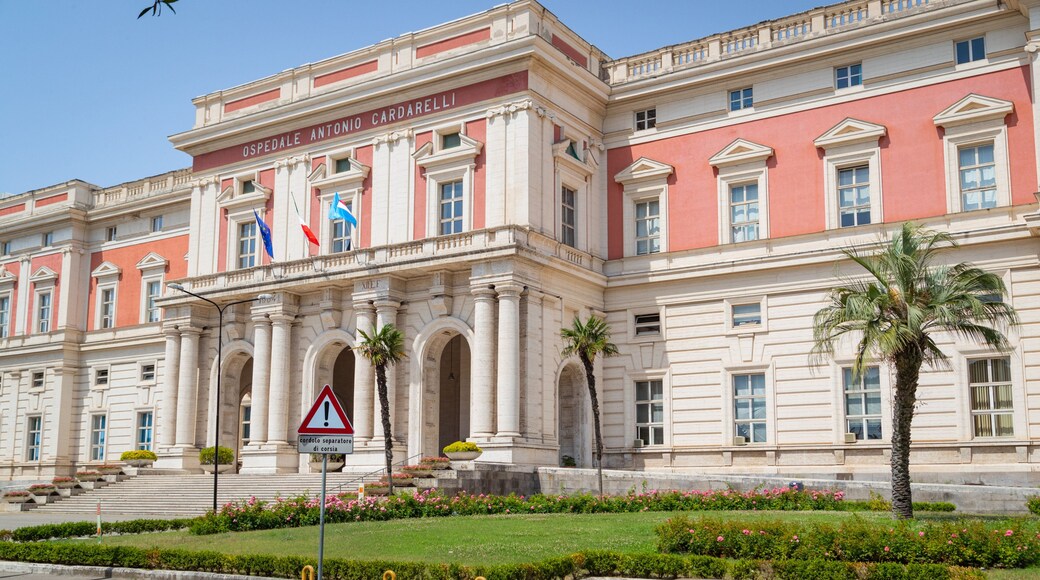
The grand entrance of the Antonio Cardarelli Hospital (Ospedale Antonio Cardarelli) looks stately with its columns and stone staircase. The hospital is set on the Colli Aminei, a hill that used to be a prime spot in Naples. Development of the main hospital administrative building started in the 1920s, but it wasn’t until World War II that it became operational.
Built in the 1970s, the enormous Second Polyclinic Hospital complex is another very different piece of architecture. It replaced what the locals still call “the old polyclinic,” which was part of a huge push for restoration (“Risanamento”) at the end of the 19th century.
After your visit to the Zona Ospedaliera, head to the Via dei Tribunali in the centre of Naples to see the First Polyclinic Hospital which, like most hospitals in Italy in the past, was part of a convent. Venture inside to see the remains of the 16th-century Croce di Lucca Church, which was partly demolished to make room for the hospital.
Neighbour to suburbs such as Rione Alto and Vomero, the Zona Ospedaliera is easily accessible via the “tangenziale” highway, the ring road of central Naples.