Saône-et-Loire Travel Guide

Bourgogne-Franche-Comté

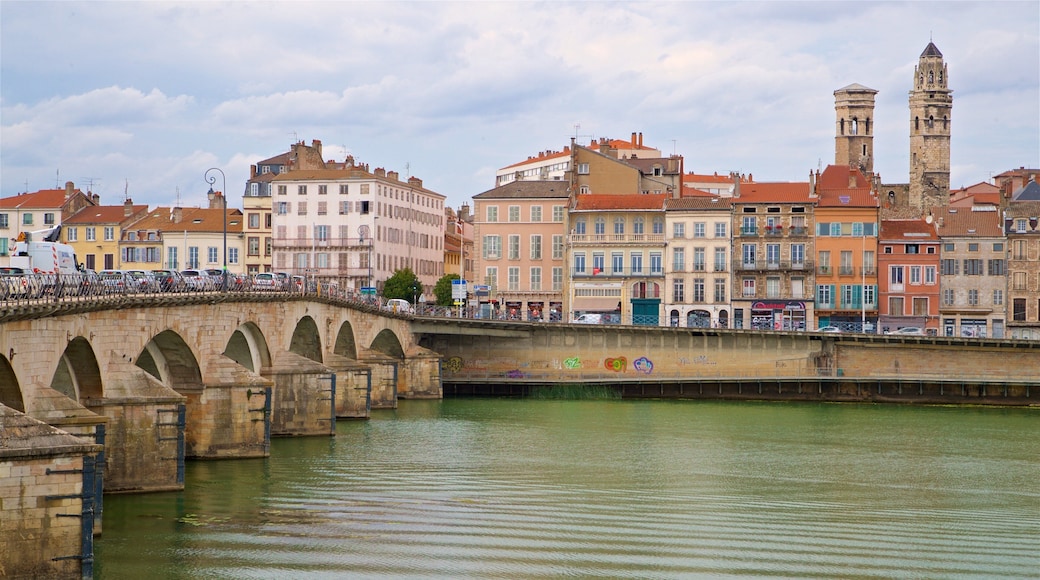
Pont Saint-Laurent featuring a bridge, a city and a river or creek
Macon which includes wild flowers
Eglise Saint-Pierre showing interior views, a church or cathedral and heritage elements
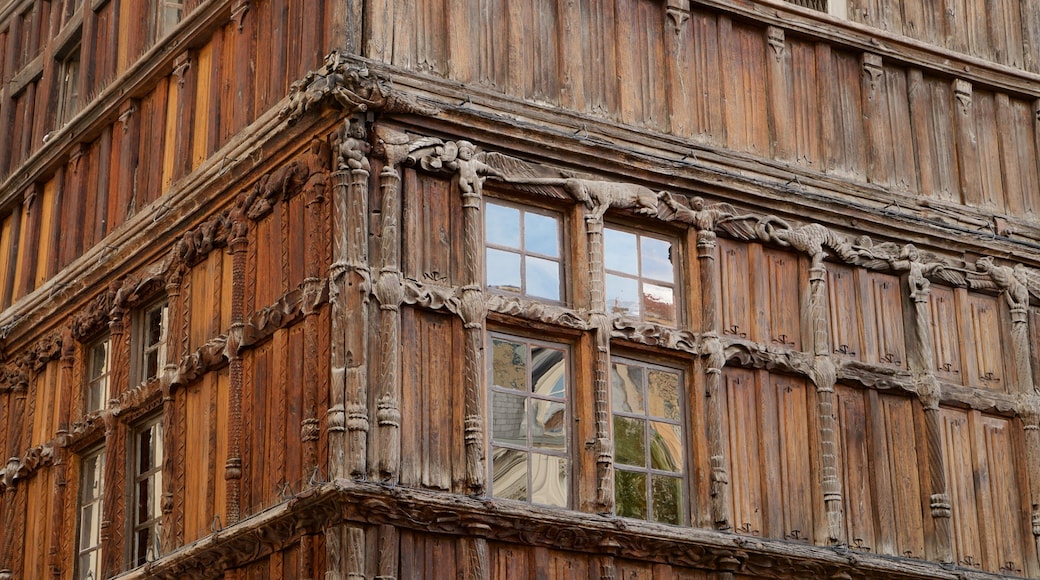
Mâcon which includes heritage elements

Alive with cultural energy and natural beauty, this department in Southern Burgundy offers plenty of opportunities for rest, recreation and wine.

Bordered by the two rivers that give the region its name, Saône-et-Loire is popular with fishers and sailors as well as people looking for authentic cultural experiences in Burgundy. Cycle along the river from vineyard to vineyard and town to town, stopping to snack on sandwiches made with famous Morvan ham. Use Romanesque church steeples to guide your way.

Base your visit of Saône-et-Loire at one of two main towns along the river, Chalon-sur-Saône and Mâcon. In Chalon, see where photography got an early start and learn about the history of imaging at the Musée Maison Nicéphore Niépce, housed in a historic building. Have a contemplative moment in the neo-Gothic Chalon Cathedral, which contains significant parts of its Romanesque predecessor. Farther south, cross the Pont Saint-Laurent, a 1,000-year-old stone bridge in Mâcon. Watch the lights of the Chalon Old Town reflected in the water below.

Head out of the towns to see the region’s vineyards and architecture. Explore the ruins of the Abbey of Cluny, once Europe’s most important monastery. Gape at the magnificent 12th-century basilica at Paray-le-Monial, a pilgrimage site that gives a sense of how Cluny looked in its golden years. Ramble along hiking and bike trails of the Parc Naturel Régional du Morvan, in the department’s northeastern corner, which has stunning vistas around every corner and the Roman archaeological site of Autun. Climb the enormous Roche de Solutré monolith before the sun goes down, watching the golden light on the vineyards’ fluttering leaves.

Saône-et-Loire forms Burgundy’s southern border. Reach the department’s largest town of Chalon-sur-Saône with a 1.5-hour drive from the closest international airport in Lyon. A local train connects most towns in the area. Rent a car to explore the back roads or rely on the extensive system of bike and walking trails known as the Voie Verte.

Be sure to tour Saône-et-Loire’s castles, its star the Versailles-like Cormatin, whose French-style gardens are the perfect place to relax with one of the region’s famous wines.

Popular cities in Saône-et-Loire

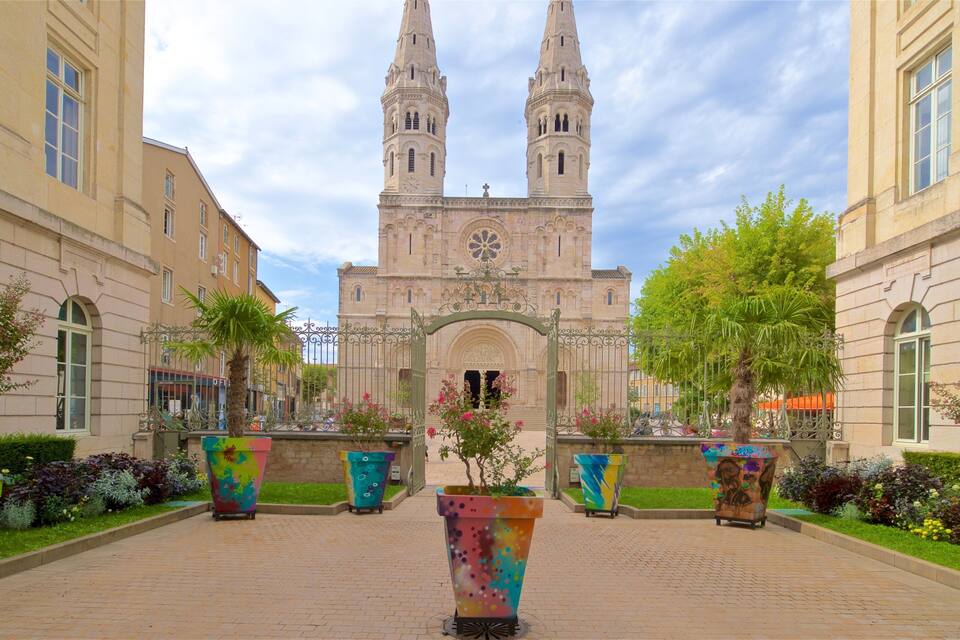
Macon featuring a city
Mâcon
Known for Rivers, Swimming and Trendy
Inhabited since the Roman invasion of Gaul, the picturesque threshold to Southern Burgundy abounds with history, architecture and lovely wines.

Reasons to visit

  • Eglise Saint-Pierre
  • Musée Lamartine
  • Pont Saint-Laurent
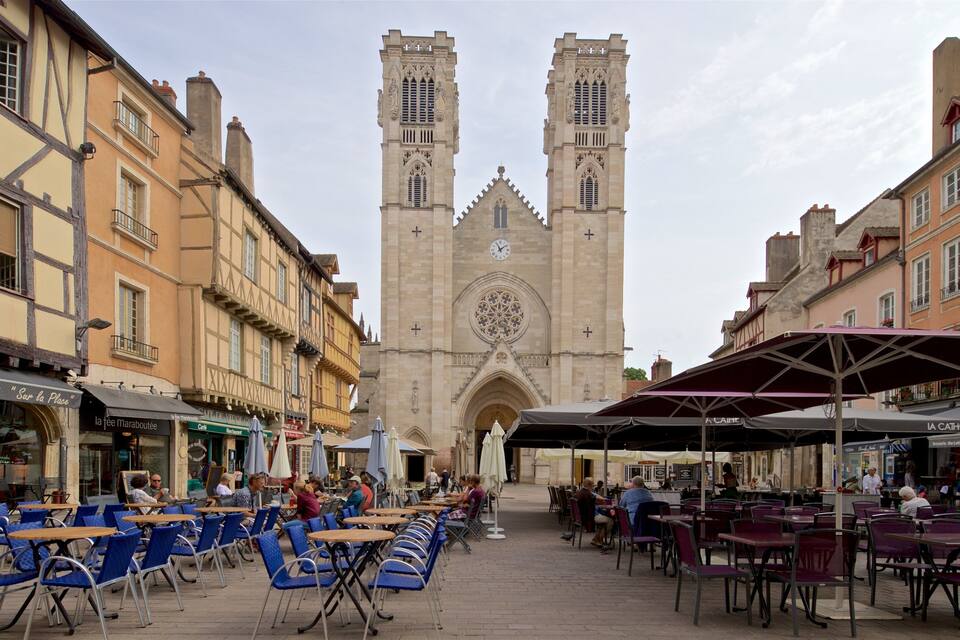
Chalon-sur-Saone showing heritage elements and a city
Chalon-sur-Saone
Known for Cheese, Business and Wineries
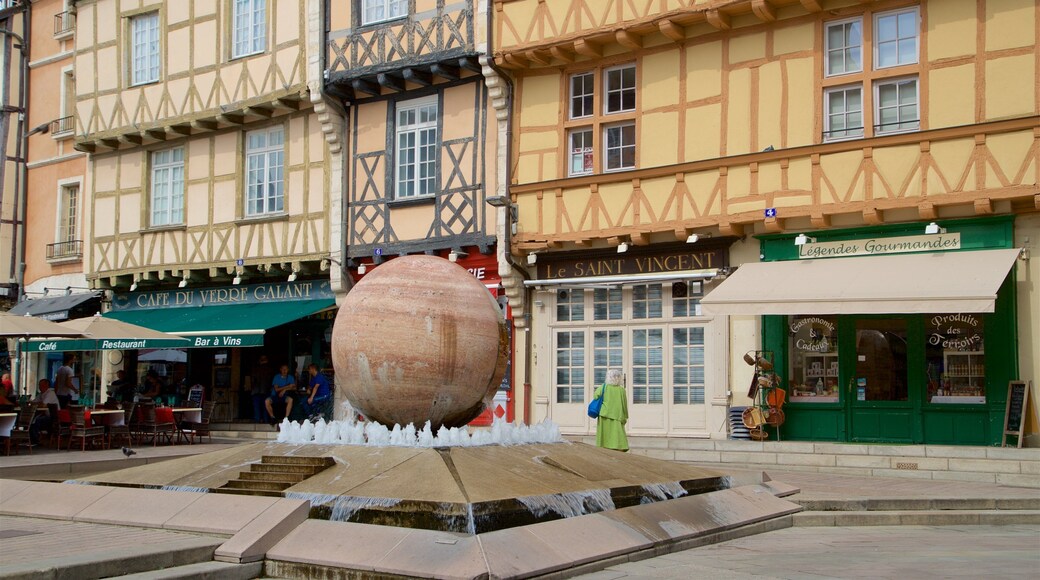
The hometown of the photograph is full of an infectious energy and historic half-timbered houses, making it one of France’s most pleasant towns for an urban stroll.

Reasons to visit

  • Chalon Cathedral
Paray le monial basilique
Paray-le-Monial
Known for Friendly people, Dining and Cathedrals
Experience quaint Paray-le-Monial: its cathedral, monuments, dining and more!

Reasons to visit

  • Basilique du Sacre-Coeur
Chardonnay
Chardonnay
Head to Golf de Macon la Salle and Château de Cormatin—just two of the sights around Chardonnay.
Adobe
Tournus
Known for Dining, Rivers and Historical
Love monuments, bars and history? Get away to Tournus!
Autun (Saône-et-Loire) Ancien évêché (XVe siècle). Le palais épiscopal a été inclus dans un castrum datant probablement du IXe siècle, peut-être antérieur. Entre 1189 et 1223, l'évêque Gauthier, également grand seigneur féodal (étant suzerain de nombreux barons et même du duc de Bourgogne pour certains fiefs), fit fortifier la maison de l'évêque par la construction d'un donjon carré dit "Tour Saint-Léger". Les contreforts d'angles on été rajoutés au milieu du XVIIe siècle. Les créneaux sont actuellement couverts d'un toit à quatre pentes. On doit à Saint-Léger, évêque d'Autun et martyr du VIIe siècle, la restauration des remparts gallo-romains. Evêque politique, Léger (Leodegard) soutiendra Childéric contre Theodoric dans la succession du jeune roi Clotaire III mort à 20 ans en 673. De son côté, Theodoric est soutenu par Ebroïn maire du palais de Neustrie. Childeric l'emporte et Leodegard devient conseiller du nouveau roi; mais les critiques de Leodegard sur le mariage du roi avec une parente proche entraînent la disgrâce de l'évêque. En 675, Childéric est assassiné et Theodoric prend le pouvoir. Leodegard se rallie au nouveau roi, mais il se heurte à Ebroïn qui maintenant soutenait un autre prétendant, Clovis. Le conflit est tel qu'Ebroïn assiège Leodegard à Autun, en 676. Leodegard devra se rendre, ses forces étant inférieures. Ebroïn fera arracher les yeux, puis les lèvres et la langue de son ennemi. Leodegard survivra miraculeusement, réfugié dans la forêt de Couhard, près d'Autun. Recueilli dans une abbaye de femmes en Normandie, il y retrouvera la parole. Ebroïn s'étant de nouveau rallié à Théodoric est redevenu maire du palais (par comparaison avec l'époque actuelle, une sorte de premier ministre). Constatant que Leodegarde est redevenu dangereux, Ebroïn le fait assassiner dans la forêt de Lucheux (Somme) le 2 octobre 678. Les assassins feront disparaître le cadavre après décapitation. Le corps aurait été enterré en forêt sur le territoire de la commune de Lucheux. Une chapelle marque cette sépulture présumée, endroit qui verra des miracles. Un concile d'évêques proclamera la sainteté de Leodegard lors de la fête de Pâques 681. La renommée du saint-martyre devenant importante, le roi Theodoric, pour se faire pardonner de ne pas l'avoir soutenu, fera assassiner Ebroïn par le seigneur franc Ermenfroi. La dépouille du saint sera transférée, en 684, à Saint-Maixent-l'École, près de Poitiers. La tour ronde appartient au rempart. Au pied de l'enceinte, le verger Bussy-Rabutin.
Autun
Known for Cathedrals, Hills and Countryside
Come to Autun and enjoy its cathedral, countryside and monuments.