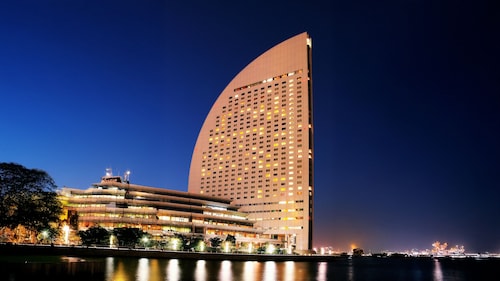
"One thing that was very nice was a microwave on the 1st floor if you needed one. The hotel is directly connected to Queens Square, which has many restaurants and stores. Then, right across the street is Mark Is, another terrific shopping mall with many restaurants and stores. And Mark Is is directly connected to Minatomirai Station, where you'll be catching the train most of the time. But if you don't catch the train, you can just take a short 15 minute walk to the heart of Minatomirai, and have fun at Cosmo World, shop at the best shopping building, World Porters, or make your own Cup of Noodles at the Cup Noodle Museum, all within a short walking distance. Also, the hotel rooms are larger than most Japanese hotel rooms, our view from the 14th floor was amazing, and the staff are helpful and cheerful."
"We are always more than happy to stay this hotel. One thing I would let them tell is...
We have stayed this hotel multiple times. We got rides on free hotel shuttle. This time we realized that the last shuttle from hotel to airport departs at 11:30 am. Our flight was at about 10 pm. We would appreciate if the hotel provides more airport bound shuttles in the afternoon."
"Excelente ubicación para los efectos, pues queda cerca de estaciones del tren. Si estas buscando algo cerca de shibuya, este hotel no es para ti, pues en tren queda prácticamente a 1 hora. Excelente trato, hotel hermoso, ubicado en pleno barrio chino. No me volveria a quedar, ya que prefiero un hotel cerca de las areas mas turísticas"
"First time in Japan. Glad to have selected this hotel. We had a beautiful view of Yokohama bay. Great room....bath tub. Fitness room- a little tight but had sufficient equipment. The on site buffet- wonderful."
What should I expect on my historical trip to Kamakura?
During a holiday to Kamakura, those interested in local history can spend an afternoon exploring the temples. Why not appreciate the beaches during your visit?
How many historically relevant hotels will I find in Kamakura?
Kamakura is home to 133 lodging options bookable on Expedia though not many historic hotels to choose from.
What are the most important historical sites and other places to visit in Kamakura?
Kamakura is notable for its temples and landmarks like Tsurugaoka Hachiman-gu Shrine, Tokei-ji Temple and Kamakura-gu Shrine. Cultural venues include Kitakamakura old private house Museum, Kamakura City Kawakita Film Museum and Kamakura Kitchoan Museum. A couple of additional sights to add to your itinerary are Kamakura City Library and Komachidori Shopping Street.
What is a historic hotel like in Kamakura?
By booking a historic hotel, guests can enjoy a holiday in a building that has an officially recognised national historic designation. A palace, castle, grand home or even an old police station, pub, lodge or skyscraper can be transformed into a historic hotel as long as it has special significance. Traditional architecture and period features can be admired within the guestrooms or public spaces of these historic hotels in Kamakura, giving a historical feel.
What is the difference between a historic hotel and a heritage hotel?
You'll often hear the term "heritage hotel" in Asia and Europe, while "historic hotel" is a term often used in the U.S. but overall the terms are quite similar. The architecture and actual building of historic hotels tend to be what's most important. For a heritage hotel, it's mainly the cultural value and how it inspired the community.
Do historic hotels in Kamakura have modern facilities?
Hotels include modern conveniences and safety features you might expect, while every effort is made to preserve historic facades and treasured traditions. Smart TVs, WiFi, updated bathroom facilities and the popular amenities found in a hotel should be available at a historic hotel. Rest assured that when you select a historic hotel in Kamakura, you won't be staying at a place that is rundown or uncomfortable.