Leave the city centre and explore the Soviet-era sites that shaped Tallinn and Estonia’s northern coast. This tour combines a scenic coastal drive, short forest walks and visits to real historical sites that show how Tallinn functioned under Soviet rule.
At the Tallinn Song Festival Grounds, hear how the Singing Revolution began. In 1988, hundreds of thousands of Estonians gathered here to sing banned national songs, a peaceful protest that helped lead the country to independence.
Visit Estonia’s Victims of Communism Memorial at Maarjamäe, opened in 2018. It commemorates more than 75,000 people from Estonia who were murdered, imprisoned or deported by the Soviet regime between 1940 and 1991. Walk along the Wall of Remembrance of the Journey, where more than 22,000 names are engraved, and through the Home Garden, and learn how the mass deportations of 1941 and 1949 affected families across Estonia.
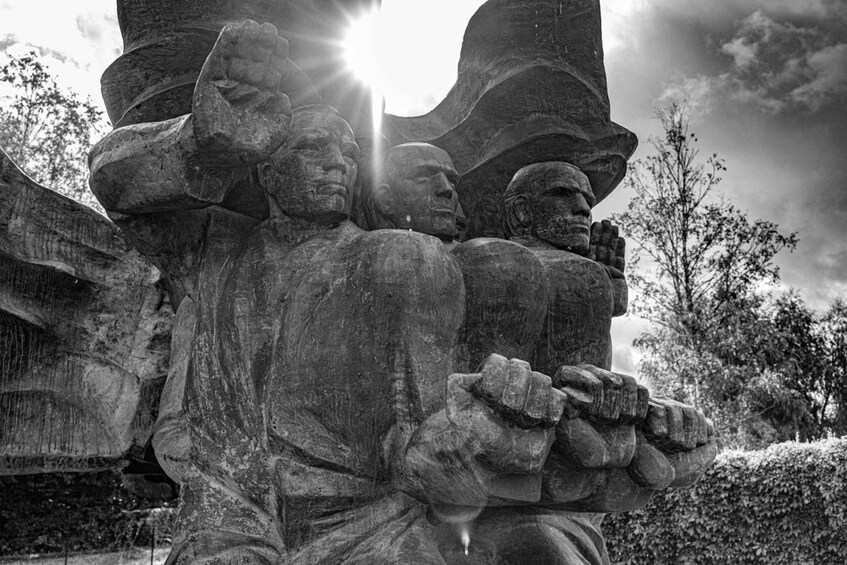
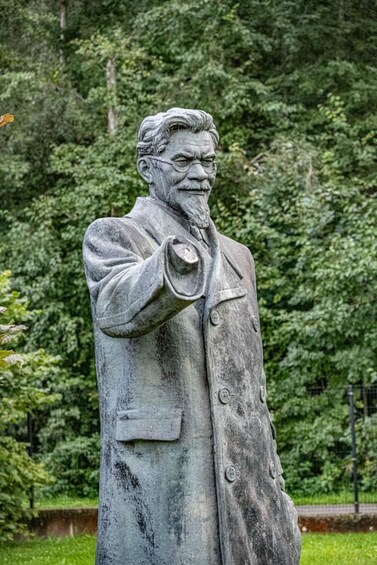
At the Estonian History Museum in Maarjamäe Palace, see a collection of Soviet statues and monuments removed from public spaces after 1991, including figures of Lenin and other Soviet leaders. It is one of the few places where you can see these monuments up close and learn how Estonia has dealt with its Soviet past.
Along the coast in Pirita, you’ll pass the Olympic Yachting Centre, built for the 1980 Moscow Olympics, when Tallinn hosted the sailing events. Learn how the construction of this sports complex changed the area and what the Olympics meant for Estonia at the time.
On the Viimsi peninsula, an area where access was restricted during Soviet times because of its proximity to the sea border, a short walk through the forest brings you to the remains of an abandoned Soviet air-defence base. Missiles were stationed here until the early 1990s. Concrete blast walls, storage areas and overgrown access routes show how quickly former military sites disappear into the landscape.
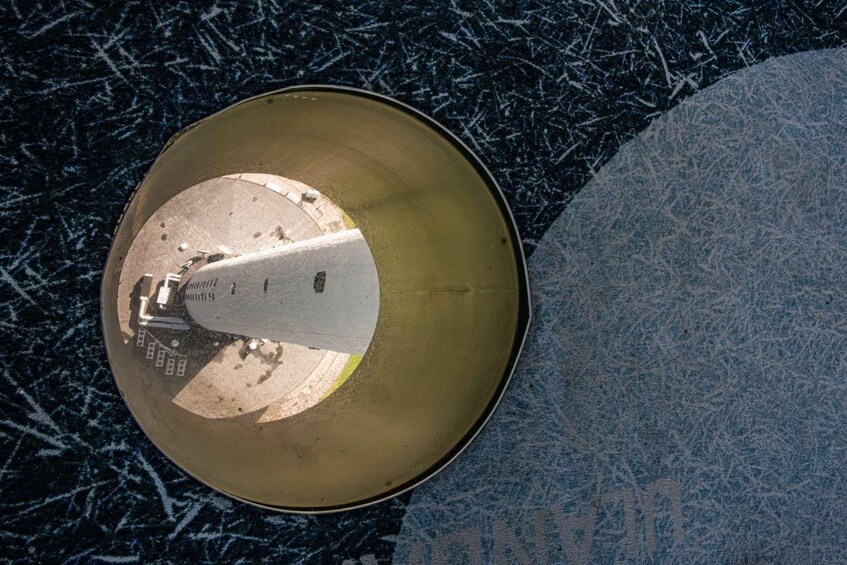
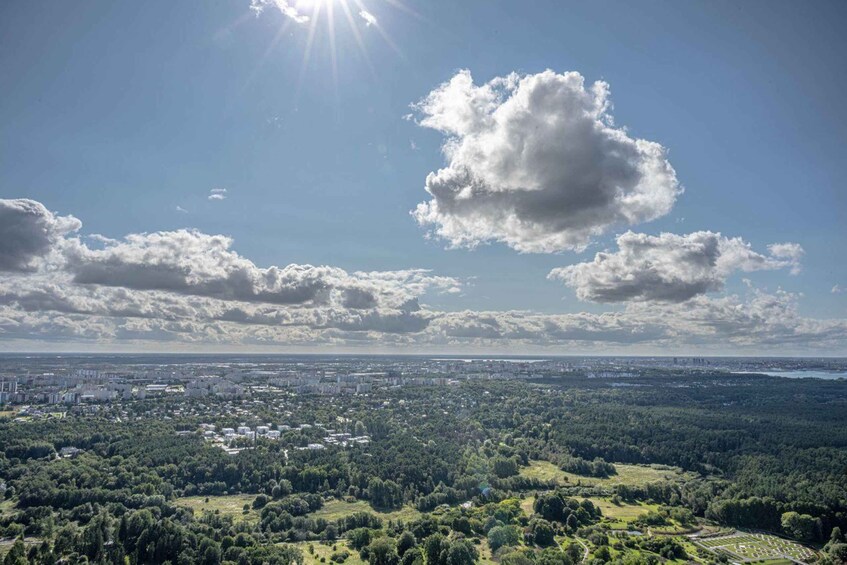
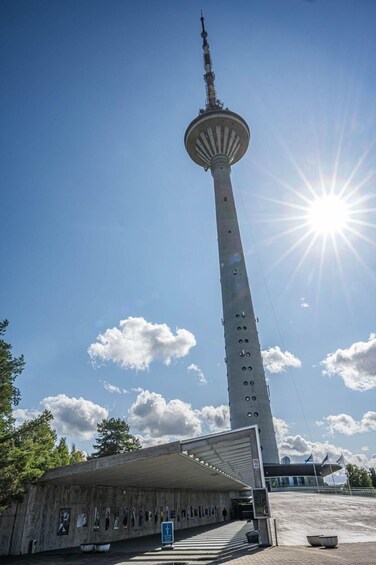
The Tallinn TV Tower, also built for the 1980 Olympics, offers views over the city and the coastline from its viewing platform. Here you’ll hear about Soviet-era media control, how information reached the public, and the events of August 1991, when the tower played a role in Estonia’s path to independence.
A drive through Lasnamäe, Tallinn’s largest residential district built during the Soviet period, shows the wide avenues and large housing blocks typical of the era’s urban planning and how quickly the city expanded.
This tour offers a clear, factual and accessible look at Soviet-era Tallinn, from memorials and military sites to the everyday living environment of the period.