


Jalatlaco Area
Step into one of Oaxaca City’s most charming quarters. Jalatlaco is a colonial‑era area known for its cobblestone streets, colourful houses, and vibrant murals that reflect local traditions and contemporary creativity. Walking through Jalatlaco feels like entering an open‑air art gallery, where every wall tells a storey. The area also offers cosy cafés and a bohemian atmosphere, making it a perfect stop for photography, cultural immersion, and a relaxed stroll.
Tule Tree
Marvel at the legendary Montezuma cypress, considered one of the widest trees in the world. Estimated to be over 2,000 years old, the Tule Tree is a living natural monument protected by the local community. Its massive trunk and intricate shapes make it a favourite stop for photography and cultural storytelling, offering travellers
Teotitlán del Valle
This artisan village is renowned for its wool rugs and textiles. Visitors can watch demonstrations of natural dyeing techniques using cochineal, indigo, and other plants. The community preserves Zapotec traditions, and many workshops display reproductions inspired by artists such as Tamayo, Frida Kahlo, and Picasso.
San Jerónimo Tlacochahuaya
A 16th‑century religious complex, Tlacochahuaya is famous for its frescoes painted with cochineal pigments. The church blends colonial architecture with indigenous artistry, offering a unique glimpse into Oaxaca’s cultural fusion. Its peaceful setting makes it an ideal stop for history and art lovers.
Mezcal Distillery & Agave Fields
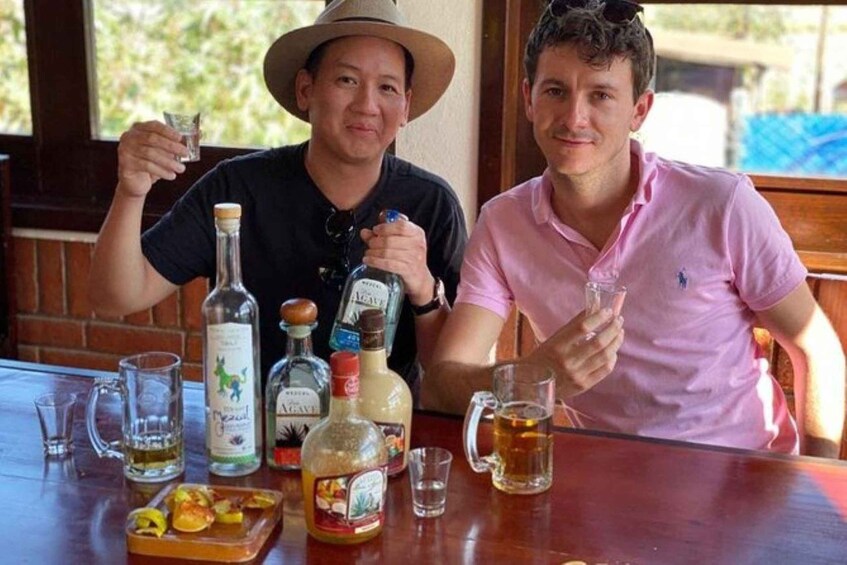
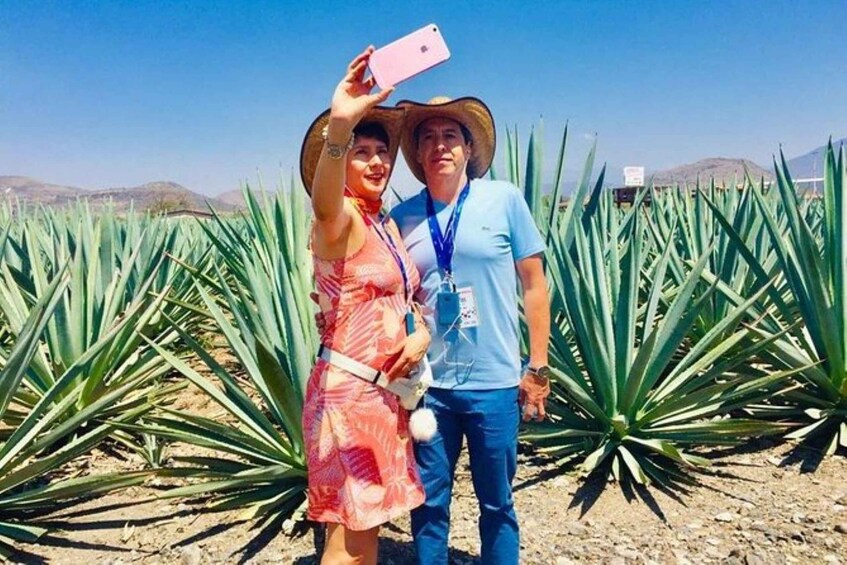
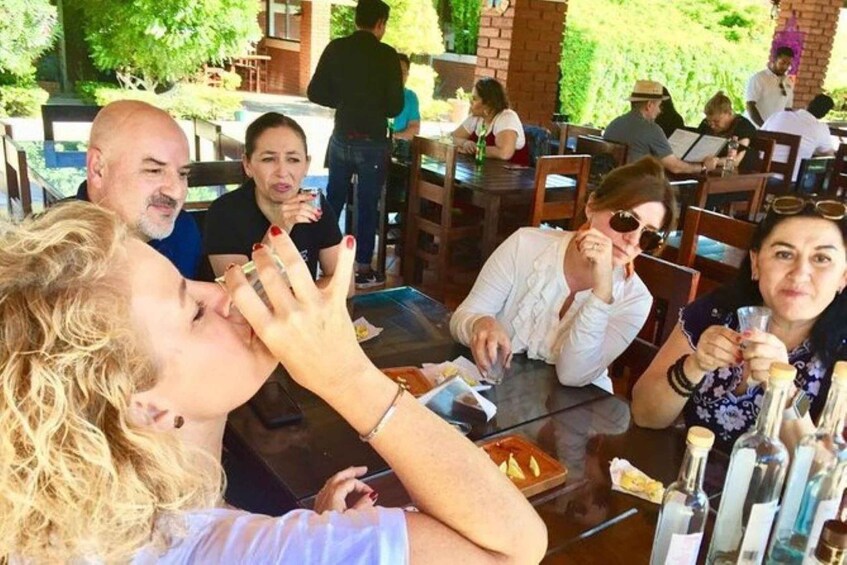
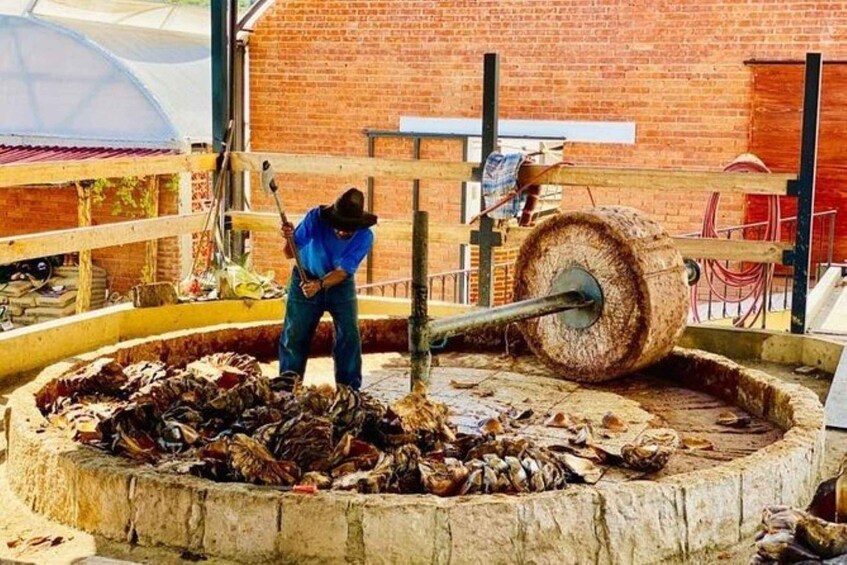
In the Tlacolula Valley, visitors explore agave fields and learn about cultivation. At a family‑run palenque, you’ll see traditional roasting pits, stone mills, and clay or copper stills. The experience concludes with a guided mezcal tasting, highlighting artisanal varieties that reflect Oaxaca’s terroir.